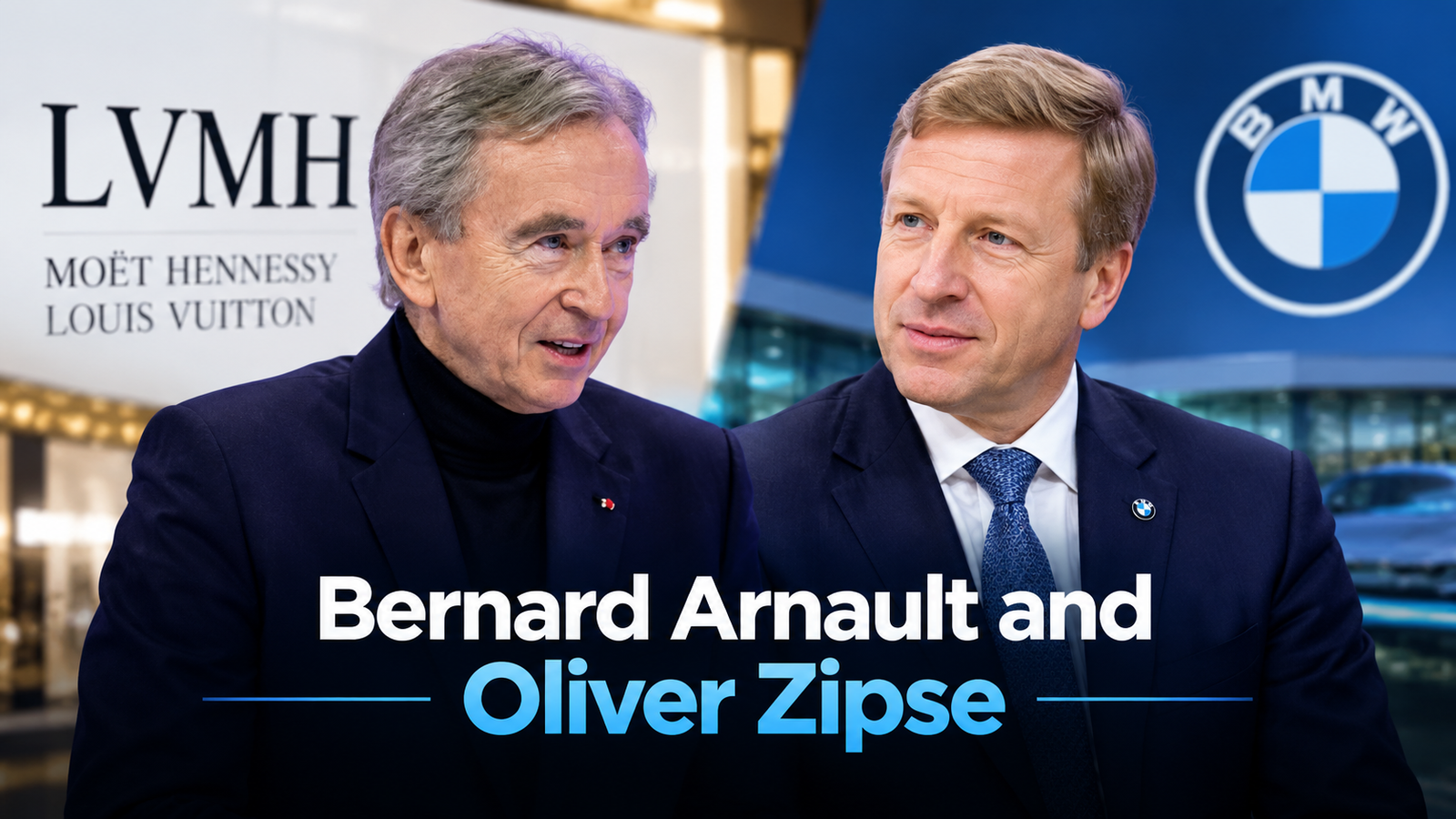
Bernard Arnault and Oliver Zipse are prominent European business leaders known for their influence in two different industries. Arnault built his reputation in luxury fashion, jewelry, cosmetics, and premium goods through LVMH. Zipse spent more than three decades at BMW Group, helping guide the German automaker through major changes in the global automotive industry.
Although Bernard Arnault and Oliver Zipse are associated with different companies, their careers offer an interesting comparison of business leadership, innovation, brand value, and long-term strategy. Arnault is known for developing a global luxury empire, while Zipse focused on automotive engineering, manufacturing, and the transition toward electric mobility.
There is no clearly established public evidence of a special personal or business partnership between the two men. Instead, their connection is best understood through their roles in European business and the different ways they approached corporate leadership. As of October 2026, Arnault remains chairman and CEO of LVMH, while Zipse has completed his tenure as BMW’s chairman.
Who Are Bernard Arnault and Oliver Zipse?
Bernard Arnault is a French businessman who leads LVMH Moët Hennessy Louis Vuitton, one of the world’s largest luxury goods groups. He became the company’s leading shareholder in 1989 and has overseen its development into a portfolio of internationally recognized brands.
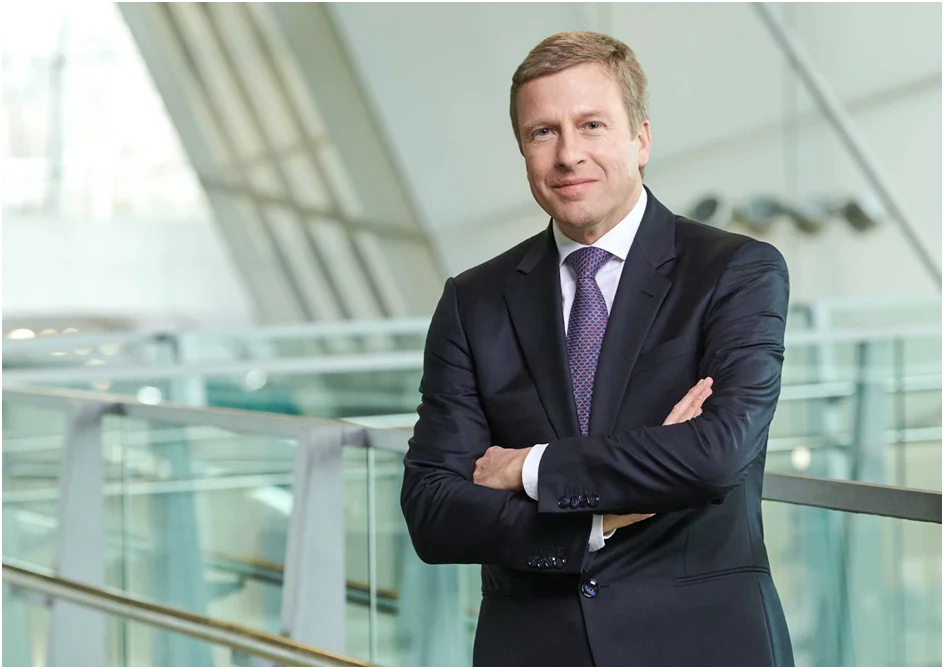
Oliver Zipse is a German engineer and business executive who served as chairman of BMW AG’s Board of Management from August 2019 until May 13, 2026. During his leadership, BMW navigated global disruptions and continued developing electric vehicles and its Neue Klasse vehicle platform.
Their careers illustrate two distinct routes to corporate influence. Arnault built a business empire by investing in luxury brands, while Zipse advanced through engineering, production, planning, and executive management at an established automaker.
Bernard Arnault at a Glance
| Detail | Information |
|---|---|
| Full name | Bernard Jean Étienne Arnault |
| Nationality | French |
| Born | March 5, 1949 |
| Profession | Businessman and investor |
| Company | LVMH |
| Main role | Chairman and CEO |
| Industry | Luxury goods and fashion |
| Known for | Building a global luxury brand portfolio |
Oliver Zipse at a Glance
| Detail | Information |
|---|---|
| Full name | Oliver Zipse |
| Nationality | German |
| Born | February 1964 |
| Education | Mechanical engineering and executive business studies |
| Former company | BMW Group |
| Former role | Chairman of BMW AG’s Board of Management |
| Tenure as chairman | August 2019 to May 2026 |
| Industry | Automotive engineering and manufacturing |
| Known for | Leading BMW through a period of technological change |
These profiles establish the foundation for comparing their careers. However, their job titles and responsibilities differ, so their achievements should be evaluated in the context of their respective industries.
Bernard Arnault’s Career and Business Success
Bernard Arnault began his professional career as an engineer at Ferret-Savinel, a construction company associated with his family’s business. He later moved into business leadership and became involved in reorganizing Financière Agache and developing Christian Dior as a central luxury brand.
In 1989, Arnault became the leading shareholder of LVMH. The group brought together businesses across luxury fashion, wines and spirits, perfumes, cosmetics, watches, jewelry, and selective retailing.
How Arnault Built a Luxury Empire
Arnault’s business approach centers on developing and acquiring brands with strong identities. Rather than treating luxury products as interchangeable goods, LVMH maintains distinct creative identities across its maisons, or individual brands.
The group’s portfolio includes Louis Vuitton, Dior, Tiffany & Co., Bulgari, Sephora, and Moët & Chandon.
This strategy gives LVMH access to several customer segments while allowing its individual brands to maintain their own designs, histories, and marketing approaches.
Arnault’s leadership also emphasizes long-term brand development. Luxury businesses often depend on heritage, craftsmanship, exclusivity, and customer trust. Consequently, rapid expansion must be balanced against the risk of weakening a brand’s identity.
What Makes Arnault’s Leadership Distinctive?
Three elements help explain his influence.
- Brand portfolio management: LVMH operates across several luxury categories, reducing its dependence on any single product type.
- Long-term investment: The group can invest in craftsmanship, retail networks, product development, and brand positioning over extended periods.
- Global customer reach: Its businesses serve customers across major luxury markets, including Europe, Asia, and North America.
However, the luxury sector also faces challenges. Economic uncertainty, changing consumer preferences, currency movements, and weaker demand in important markets can affect sales and profitability.
Arnault’s record therefore reflects both the opportunities of luxury branding and the difficulties of managing a large international group.
Oliver Zipse’s Career at BMW
Oliver Zipse followed a different professional path. He joined BMW in 1991 as a trainee in development and production. Over the following decades, he held positions involving engineering, production planning, corporate strategy, and product development.
Before becoming chairman, Zipse served in several senior roles, including managing director of BMW’s Oxford plant in the United Kingdom. He also worked in technical planning and product strategy.
BMW appointed him chairman of its Board of Management in August 2019. His tenure began before the COVID-19 pandemic disrupted production, supply chains, and automotive demand around the world.
BMW’s Electric Vehicle Strategy
One of the major challenges during Zipse’s leadership was the transition from conventional combustion engines toward electric mobility.
Automakers must balance several priorities during this transition. They need to develop electric vehicles, maintain competitive costs, satisfy customer expectations, and continue serving markets where charging infrastructure or demand develops more slowly.
BMW pursued a strategy that retained flexibility across different powertrain technologies while expanding its electric vehicle range. The company also invested in Neue Klasse, a new generation of vehicles and technologies intended to support its future product lineup.
This approach reflected BMW’s effort to combine engineering development with commercial practicality.
Why Zipse’s Leadership Mattered
Zipse’s career illustrates the importance of operational experience in a complex manufacturing business.
BMW must coordinate thousands of suppliers, manage factories across several countries, maintain strict quality standards, and respond to rapidly changing technology.
His long experience within the company gave him familiarity with these interconnected operations. During his chairmanship, BMW also had to respond to pandemic-related disruption, competition in China, changing environmental requirements, and pressure to improve electric vehicle technology.
Zipse’s tenure ended as planned in May 2026. BMW appointed Milan Nedeljković, previously responsible for production on the management board, as his successor.
Bernard Arnault and Oliver Zipse: Key Differences
Although both executives operated at the highest levels of major European businesses, their leadership responsibilities differed substantially.
| Category | Bernard Arnault | Oliver Zipse |
|---|---|---|
| Main industry | Luxury goods | Automotive |
| Organization | LVMH | BMW Group |
| Professional background | Engineering, investment, and business leadership | Engineering, production, and corporate management |
| Main business focus | Brand development and portfolio growth | Vehicle engineering and industrial competitiveness |
| Core assets | Luxury brands and retail businesses | Automotive brands, factories, technology, and engineering capabilities |
| Major strategic challenge | Protecting brand value while growing globally | Managing technological change and vehicle-market competition |
| Leadership status in October 2026 | Chairman and CEO of LVMH | Former BMW chairman |
The most important difference is the nature of the products and organizations they lead.
Luxury brands often compete through design, heritage, exclusivity, craftsmanship, and customer experience. Automakers must also compete through engineering, manufacturing efficiency, safety, reliability, and technology.
Both industries require strong brands. Nevertheless, their operating models and investment needs differ considerably.
What Do Bernard Arnault and Oliver Zipse Have in Common?
Despite their different industries, their careers share several themes.
Long-Term Strategic Thinking
Large companies cannot rely solely on short-term sales. They must invest in products, people, technology, and market positioning that support future growth.
Arnault’s development of LVMH demonstrates the importance of brand investment and portfolio strategy. Zipse’s work on BMW’s future vehicle platforms shows how automotive companies prepare for major technological changes.
Global Business Experience
Both executives worked in organizations with international operations and customers.
LVMH serves global luxury markets through its portfolio of brands and retail businesses. BMW operates production facilities and sales networks across multiple regions.
International operations create opportunities, but they also expose companies to trade barriers, currency movements, geopolitical tensions, and changing regional demand.
Protecting Brand Identity
Brand reputation matters to both businesses, although customers evaluate their products differently.
A luxury customer may value a product’s craftsmanship, design history, and exclusivity. A car buyer may prioritize driving performance, safety, reliability, technology, and ownership costs.
In both cases, companies need to deliver a consistent experience that matches customer expectations.
Are Bernard Arnault and Oliver Zipse Business Partners?
There is no sufficiently reliable public evidence establishing a major direct partnership between Bernard Arnault and Oliver Zipse.
Their names may appear together in business comparisons because both are influential European executives. However, that does not establish a shared company, joint investment, personal relationship, or formal collaboration.
LVMH and BMW operate in different sectors, although luxury and automotive businesses can overlap through premium branding, design, and high-end consumer markets.
BMW’s Rolls-Royce Motor Cars business provides one example of this broader connection. Rolls-Royce Motor Cars belongs to BMW Group and should not be confused with Rolls-Royce Holdings, the separate aerospace and engineering company.
Meanwhile, LVMH operates luxury brands that compete on craftsmanship, prestige, and customer experience. These businesses may target some of the same affluent consumers who purchase premium vehicles.
That shared customer segment creates a useful basis for industry comparison, but it does not prove that Arnault and Zipse worked together directly.
What Happened to Oliver Zipse After BMW?
Oliver Zipse concluded his tenure as BMW’s chairman at the company’s annual general meeting on May 13, 2026. Milan Nedeljković assumed the role on May 14.
BMW credited Zipse with guiding the company through the COVID-19 crisis and helping advance Neue Klasse, which the company describes as a central strategic project.
His departure followed approximately seven years as chairman and a total of 35 years with BMW.
As of October 2026, his former title should not be presented as his current position. Any new board appointments, advisory roles, or business activities after his departure should be confirmed through reliable announcements before publication.
Conclusion
Bernard Arnault and Oliver Zipse represent two different models of leadership in European business. Arnault built LVMH into a major luxury group by developing a portfolio of influential brands. Zipse built his career at BMW, where engineering, manufacturing, and technological transformation shaped his responsibilities.
Their careers share an emphasis on long-term planning, global competition, and protecting brand reputation. However, they faced different challenges because luxury goods and automotive manufacturing depend on distinct business models.
There is no established evidence of a special direct partnership between the two executives. Their relevance as a pair comes primarily from the opportunity to compare their leadership approaches and corporate influence.
As of October 2026, Arnault continues to lead LVMH, while Zipse has completed his BMW chairmanship and Milan Nedeljković has taken over. These distinctions provide the most accurate foundation for understanding Bernard Arnault and Oliver Zipse.
FAQs
1. Who are Bernard Arnault and Oliver Zipse?
Bernard Arnault is the chairman and CEO of LVMH, the luxury goods group. Oliver Zipse is a German engineer and former BMW chairman who led the automaker from August 2019 until May 2026.
2. Are Bernard Arnault and Oliver Zipse related?
There is no reliable public evidence establishing a family relationship between Bernard Arnault and Oliver Zipse. Their names are commonly compared because of their senior roles in major European companies.
3. Do Bernard Arnault and Oliver Zipse work for the same company?
No. Arnault leads LVMH, which operates luxury brands and retail businesses. Zipse completed his tenure at BMW in May 2026, and Milan Nedeljković succeeded him as chairman.
4. What is Bernard Arnault best known for?
Arnault is best known for building LVMH into a global luxury group. Its portfolio includes brands such as Louis Vuitton, Dior, Tiffany & Co., and Bulgari.
5. What was Oliver Zipse’s role at BMW?
Zipse served as chairman of BMW AG’s Board of Management from August 2019 to May 13, 2026. He helped lead the company through global disruptions and advance its electric vehicle and Neue Klasse strategies.
6. What is the main difference between their leadership styles?
Arnault’s leadership is closely associated with luxury brand development, acquisitions, and portfolio management. Zipse’s background centers on engineering, manufacturing, product strategy, and automotive technology. Both approaches address long-term competitiveness in different industries.
2 thoughts on “Bernard Arnault and Oliver Zipse Leadership Compared”